
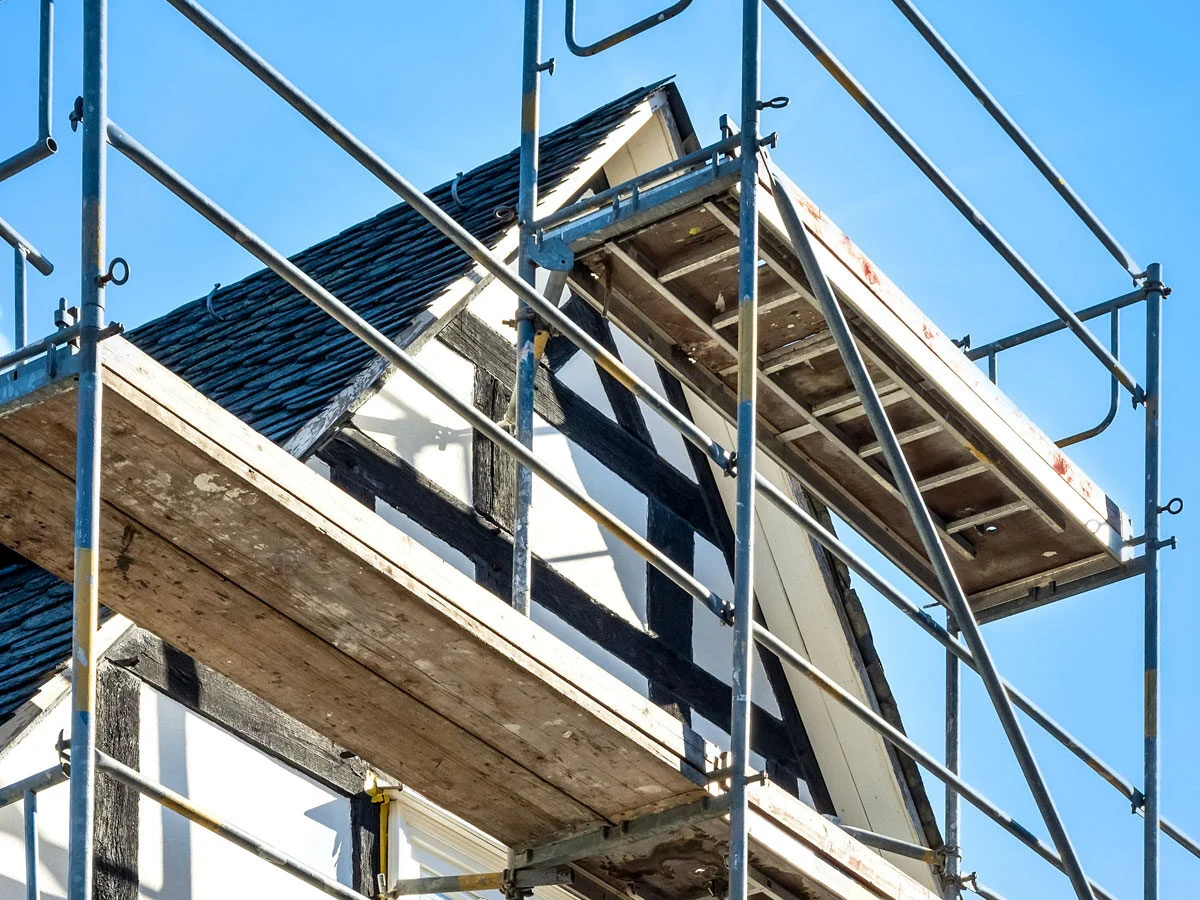
Commercial rehabilitation in Palm Beach County presents two fundamental opportunity categories: repositioning obsolete or underperforming assets to serve the evolving market demand, and upgrading functionally capable assets to capture the premium that the post-2020 Palm Beach County tenant market commands.
The market demand shift is real and significant. The influx of financial services firms, family offices, law firms, and professional services businesses following the hedge fund migration to Palm Beach County has created demand for high-quality office space — well-built, well-finished, and appropriately located — that dated Class B suburban office cannot satisfy without investment. Retail has bifurcated between necessity and luxury, requiring landlords to reposition assets for the specific demand category their location supports. Industrial has absorbed virtually all functional supply, creating value-add opportunity in older functional-but-dated facilities that need targeted upgrades to achieve market rents.
Post-2020 hospitality and mixed-use renovation activity has been particularly active in West Palm Beach's downtown core. Clematis Street, CityPlace/Rosemary Square, and the emerging Northwood Village area have absorbed boutique hotel, restaurant, and mixed-use renovation investment serving the expanded permanent resident and high-end visitor base. We finance these projects with the speed and flexibility that creative hospitality and mixed-use development demands.
Conventional commercial construction lending has specific weaknesses that hard money addresses: it requires stabilized cash flow before funding transitional properties, imposes rigid draw schedules that don't match commercial renovation realities, and takes 60-90 days to close. Our programs fund transitional commercial assets, accommodate the variability of commercial renovation draw requirements, and close in 14-21 days.
Service Applications
Office building renovation — lobby modernization, common area upgrades, HVAC replacement, elevator modernization, window improvement, tenant improvement allowances — serves the West Palm Beach professional office market's demand for competitive space. We fund phased office renovation programs that maintain occupancy during improvements, coordinating draw schedules with lease rollover timing to minimize tenant disruption while completing upgrades systematically.
Retail center rehabilitation — exterior renovation, parking lot resurfacing, new signage, common area improvements, anchor tenant repositioning, and individual tenant improvement allowances — addresses the repositioning needs of community retail centers throughout Boynton Beach, Delray Beach, and West Palm Beach. We evaluate the specific repositioning thesis: what tenant mix is appropriate post-renovation, what rents are achievable, and what NOI improvement supports the renovation investment.
Industrial property renovation — roof replacement, dock door upgrades, power service enhancement, LED lighting, office buildout, and security improvements — captures the rent premium available for functionally upgraded product in a supply-constrained market. A 1980s-vintage warehouse trading at $8/SF NNN can achieve $14-16/SF NNN after targeted functional improvements that bring it into competitive condition with modern alternatives. We fund these upgrades through acquisition plus renovation programs.
Hospitality and mixed-use renovation serves the growing experiential commercial investment category in Palm Beach County. Boutique hotel renovation, restaurant space conversion, and mixed-use repositioning projects that serve the county's expanded affluent resident and visitor demographic represent compelling commercial rehabilitation investments that we finance with appropriate term structures.
Common Challenges
Tenant coordination during occupied commercial renovation is the most complex operational challenge. Lease obligations, business interruption sensitivities, and access restrictions during construction require careful scheduling and communication. We structure draw schedules that accommodate phased construction plans and provide funding flexibility when construction phases shift based on tenant operational requirements.
Regulatory complexity for commercial rehab projects exceeds residential — building codes, accessibility requirements (ADA), fire suppression system requirements, energy code compliance, environmental regulations, and zoning-use compliance can all require additional design and permit time. We work with experienced commercial contractors and architects who navigate these requirements efficiently, and we structure loan terms with appropriate regulatory timeline buffers.
Our Approach
We begin every commercial rehab engagement with a comprehensive underwriting memo: current property performance, repositioning thesis and investment, projected stabilized NOI, exit strategy (refinance or sale timeline), and risk factors. This gives both parties clarity on the deal logic before committing to transaction costs.
During construction, our draw administration team coordinates with contractor payment application review, architect certification of completed work, and lien waiver collection that protects all parties. For complex phased commercial renovations, we maintain active communication with the project team to ensure funding is available when construction phases advance.